

01
One Source, Three Durability Tiers: How Noorle's Program Runtime Is Built
Durability isn't one mechanism — it's a spectrum. A well-built orchestration runtime picks a different point on it for each kind of state it owns, on purpose.
Read dispatchArchitecture, runtimes, durability, governance, and what autonomous systems actually require in production.
Written from the work—not around it.Durability isn't one mechanism — it's a spectrum. A well-built orchestration runtime picks a different point on it for each kind of state it owns, on purpose.
Read dispatch
Most agent platforms force you to choose between security and state — orchestration inside the sandbox is convenient but unsafe; orchestration outside with ephemeral sandboxes is safe but stateless. The hybrid pattern resolves the trade-off.
Read dispatch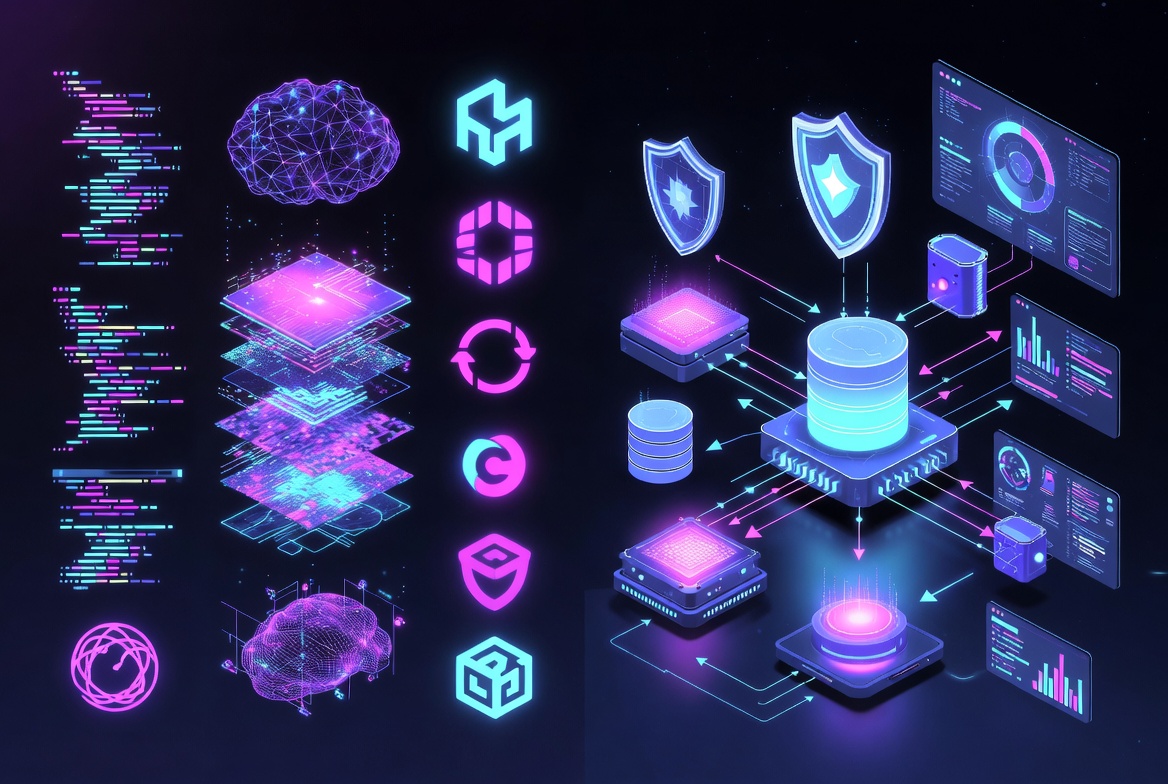
Frameworks taught us how to build agents. Runtimes are where agents actually run. Understanding this distinction is the key to shipping agents that work in production.
Read dispatch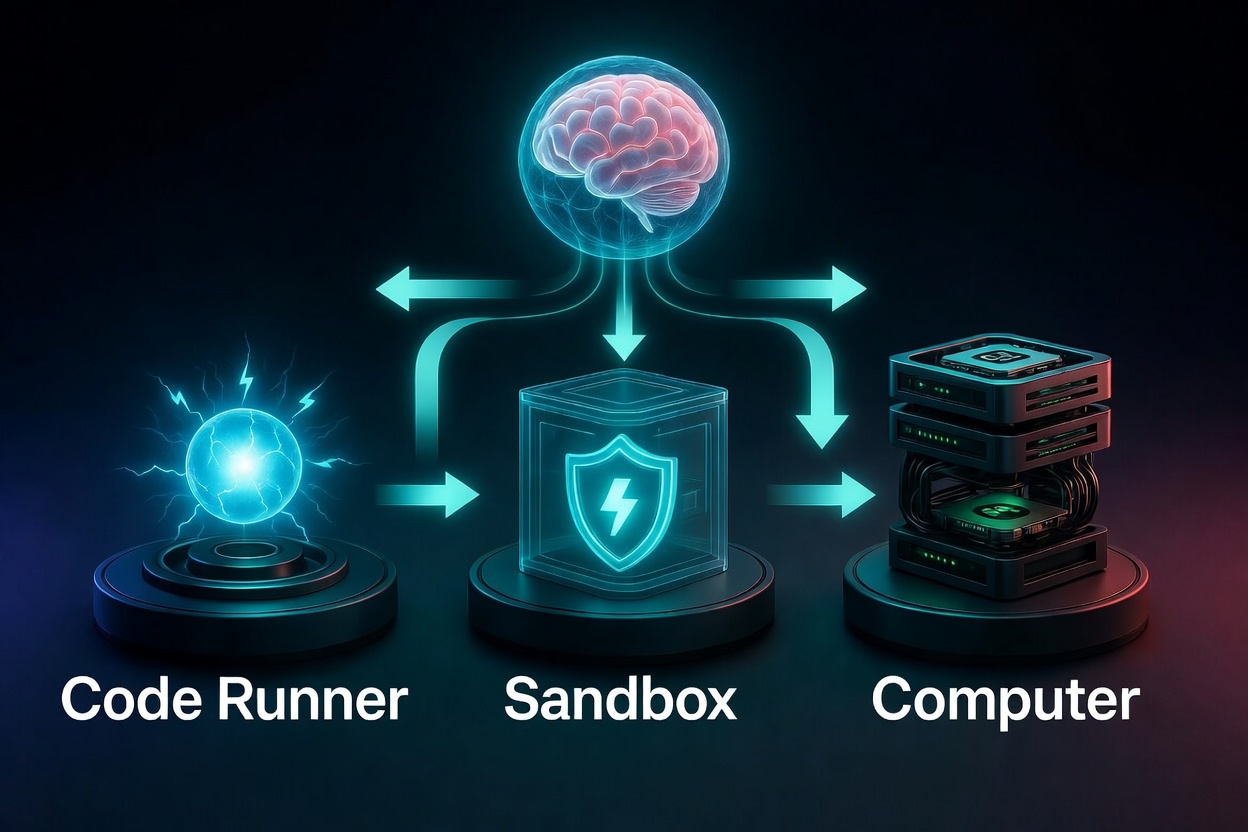
When deploying AI agents that execute code, choosing the right compute engine becomes critical. Understanding the trade-offs reveals why successful AI agent platforms need multiple compute options working in tandem.
Read dispatch
MCP wants modular, sandboxed, language-agnostic tools with clean contracts. WebAssembly Components and WASI P2 deliver exactly that—turning fragmented toolchains into a unified, secure, polyglot platform.
Read dispatch
The gap between AI agent promise and performance isn't about language model power—it's about understanding what individual agents actually need to work effectively.
Read dispatch